Operation Atalanta: Communication Ensured by Inmarsat
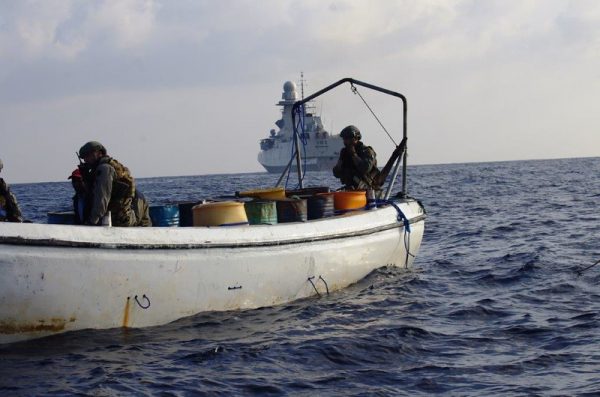
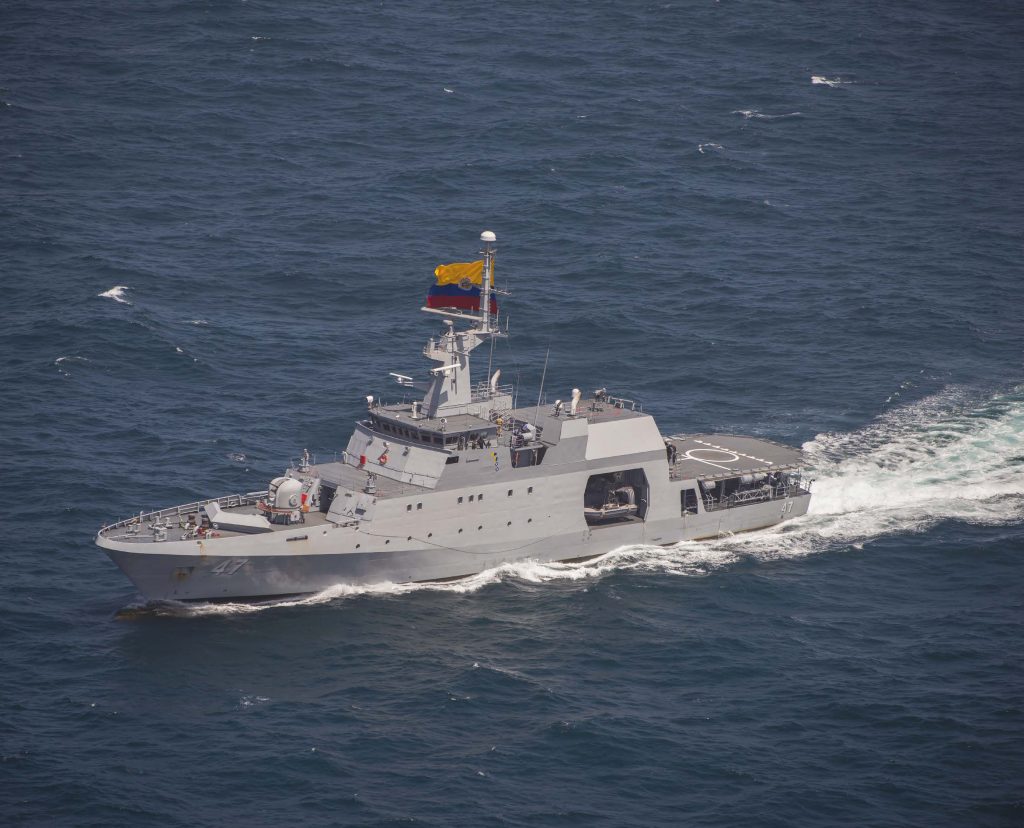
The Colombian ocean patrol vessel ARC 7 DE AGOSTO joined Operation Atalanta in August 2015, as part of international peacekeeping operations. Among other goals, the Atalanta mission aims to foster collaboration between several countries against piracy off the coasts of Somalia and the Gulf of Aden. For this operation, the Colombian Navy needed to establish reliable and high-quality communication. That is why one of the solutions that perfectly suited this need was Inmarsat’s FleetBroadband.
Captain Jorge Alberto Arocha spoke with Inmarsat about the challenges faced during missions like this one. Indeed, according to him, maintaining a good connection with Colombian territory and the participating allies is a vital need. Added to this is the fact that communication costs must be managed because the budget allocated to this kind of operation is limited.
Therefore, a FleetBroadband 500 was installed and used aboard the ARC 7. This device allowed the Colombian Navy vessel to communicate at all times with Colombia or the coalition regarding the events taking place. Furthermore, Colombia has made satellite communication a priority political issue for some time. The country wishes to develop new technologies and aims to be among the leaders in telecommunications, which led them to take into consideration the quality and reliability of the services offered by Inmarsat.
Keeping Morale High Thanks to Satellite
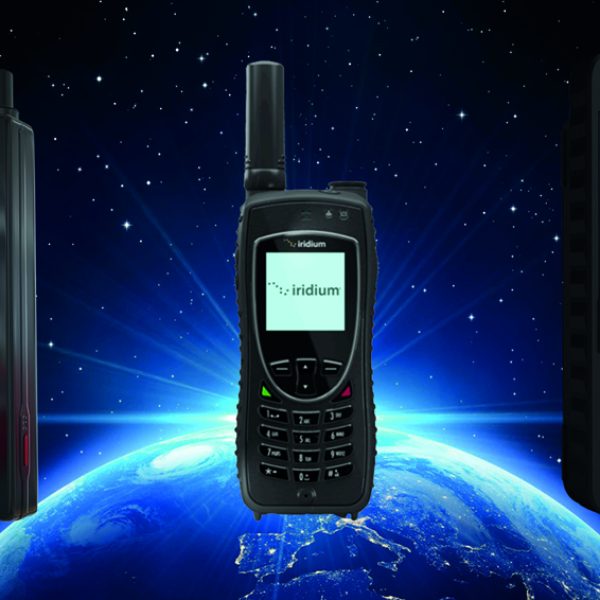
Crew morale is one of the key factors for the success of an operation like this. Indeed, this mission involved 73 people embarking on the vessel for a period of 3 months. In order for them to accomplish their mission effectively, their well-being had to be ensured, and staying in contact with their families is very important. When one is at sea, where traditional telecommunication networks do not work, satellite is the best means of communication. The FleetBroadband service, for instance, allows for voice communication as well as the sending and receiving of data. The crew can therefore easily stay in contact with their loved ones back home, whether through calls or emails.
Inmarsat C and mini-C: A Security Solution
Despite the fact that various countries and organizations around the world are doing their best to ensure the security of vessels at sea, the risk is not zero. Solutions exist, such as the Global Maritime Distress and Safety System (GMDSS) and other systems designed to ensure the safety of equipped vessels.
Inmarsat C and mini-C, for example, are satellite communication systems capable of transmitting data packets ship-to-shore, shore-to-ship, or ship-to-ship. The Inmarsat C system includes a small, omnidirectional antenna, a compact transceiver, and a messaging unit. The mini-C models are more compact.
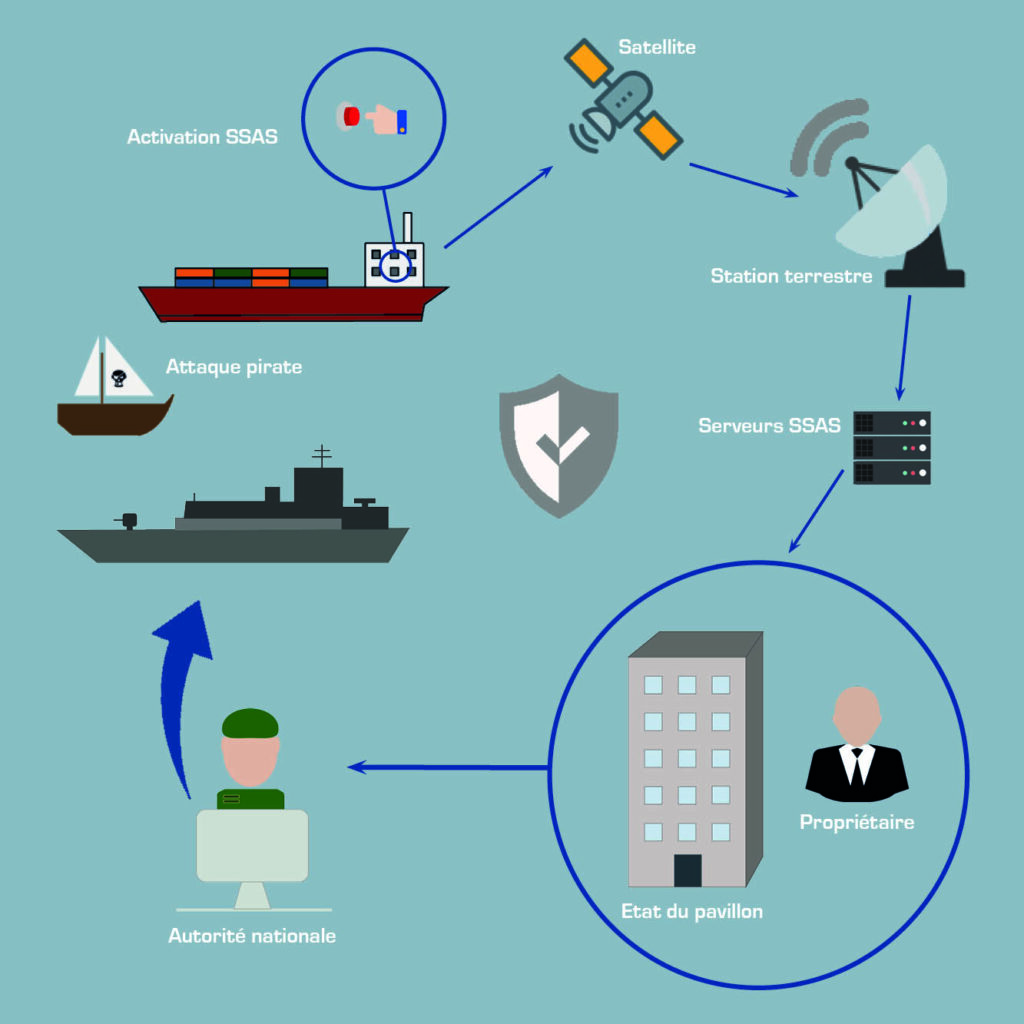
Certain GMDSS-compliant Inmarsat C and mini-C systems feature a distress function and are equipped with an SOS button. For example, there is the Ship Security Alert System (SSAS), regulated by the GMDSS standard. This system allows a silent alert to be sent via satellite, including the vessel’s coordinates. This alert is sent directly to the owner, who then notifies the vessel’s flag State, which contacts the nearest national coastal authorities. The distress signal is silent and is not communicated to nearby vessels to avoid alerting potential pirates.